On May 4, 2026 Box Elder County, UT commissioners unanimously approved two resolutions in support of a 40,000-acre Stratos data center for the Military Installation Development Authority. The data center proposal now moves into a phase of environmental analysis. Its construction would undermine a natural ecosystem known for irreplaceable wildlife habitat and known to have numerous sacred, historic sites including a nearby Native American burial ground. On May 5, GreenLatinos filed a formal protest of the water rights application that would divert 1,900 acre feet of water from the Salt Wells Spring Stream to the Stratos project. The water right application was cancelled following thousands of protests filed, but Stratos will continue to push this devastating project along.
Climate Pollution
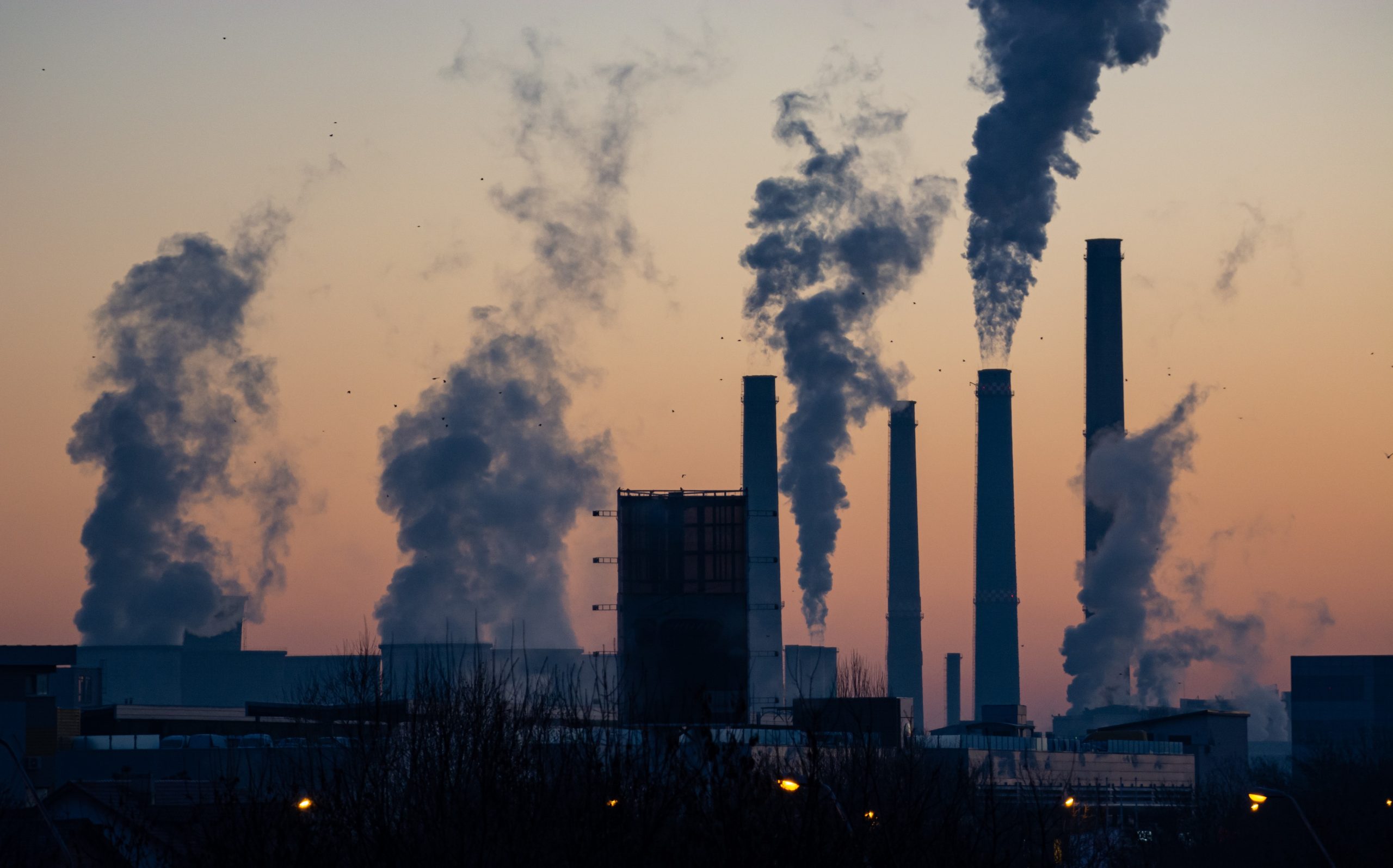
The Stratos data center, famously advanced by Shark Tank investor Kevin O’Leary, would require more than double the electricity consumed by the entire state of Utah in a year, and is proposed to be powered by a remote on-site methane gas plant. The methane plant would need to produce 9 gigawatts of power and would raise the total greenhouse gas emissions from within the state of Utah by about 50%. This is more emissions than from every vehicle on Utah roads combined.
Extreme Heat
With a footprint larger than most Utah towns, the data center could produce an extreme urban heat island effect. An increase of 3-5 degrees fahrenheit would disrupt storm systems in the region and potentially affect weather elsewhere. The 2025-2026 winter season left Utah with only 19% of normal snowpack, a devastating blow to Utah’s number one drinking water source, rivers, and lakes including the ailing Great Salt Lake. Any further disruption of local climate patterns could exacerbate extreme heat disproportionately affecting Utah’s communities of color and harm water access for everyone.
Water
Stratos would need to ultimately purchase 3,000 acre‑feet of water rights on‑site and have 10,000 acre‑feet under contract elsewhere to operate this center. This is more than enough water for over 20,000 households. A loss of 1,900 acre feet from Salt Wells stream was in direct conflict with the state of Utah’s responsibility to steward the Locomotive Springs Wildlife Management Area wetlands and its commitment to restore water levels at Great Salt Lake by 2034.
Public Health
Great Salt Lake is the continent’s largest saline lake, providing critical habitat, nesting and feeding grounds for internationally significant avian species. Increasing climate pollution has spurred ongoing severe drought and heat in the region, leading to declining and historically low water levels at the lake–a deadly failure.
Generations of industrial pollution on the playas of Great Salt Lake has resulted in toxic heavy metals, pathogens, and industrial chemicals depositing into the lake water and playas. With less water, and more exposed, polluted dry land, these toxins become airborne with winds as low as 10 mph. Short and long term exposure to dust and toxic particulate matter is associated with respiratory disease, cardiovascular disease, infertility, fetal development impairment, infant mortality, cancer, higher blood pressure, arthritis, juvenile arthritis, premature death, and other morbidity and mortality issues. The majority of Utah’s Hispanic/ Latino residents breathe in the air shed normally protected by Great Salt Lake. The construction of the Stratos data center would effectively deal the killing blow to Great Salt Lake and be responsible for more persistent, deadly dust events.
Cómo puedes ayudar
GreenLatinos will be monitoring this unpopular proposal as it develops. To get involved, donate to GreenLatinos so we can sustain active opposition to this data center and/or volunteer with GreenLatinos to support our organizing power. If you represent a business, organization, religious institution, club or any other organized body of people, sign on to the Data Center Moratorium Now! national sign on letter.