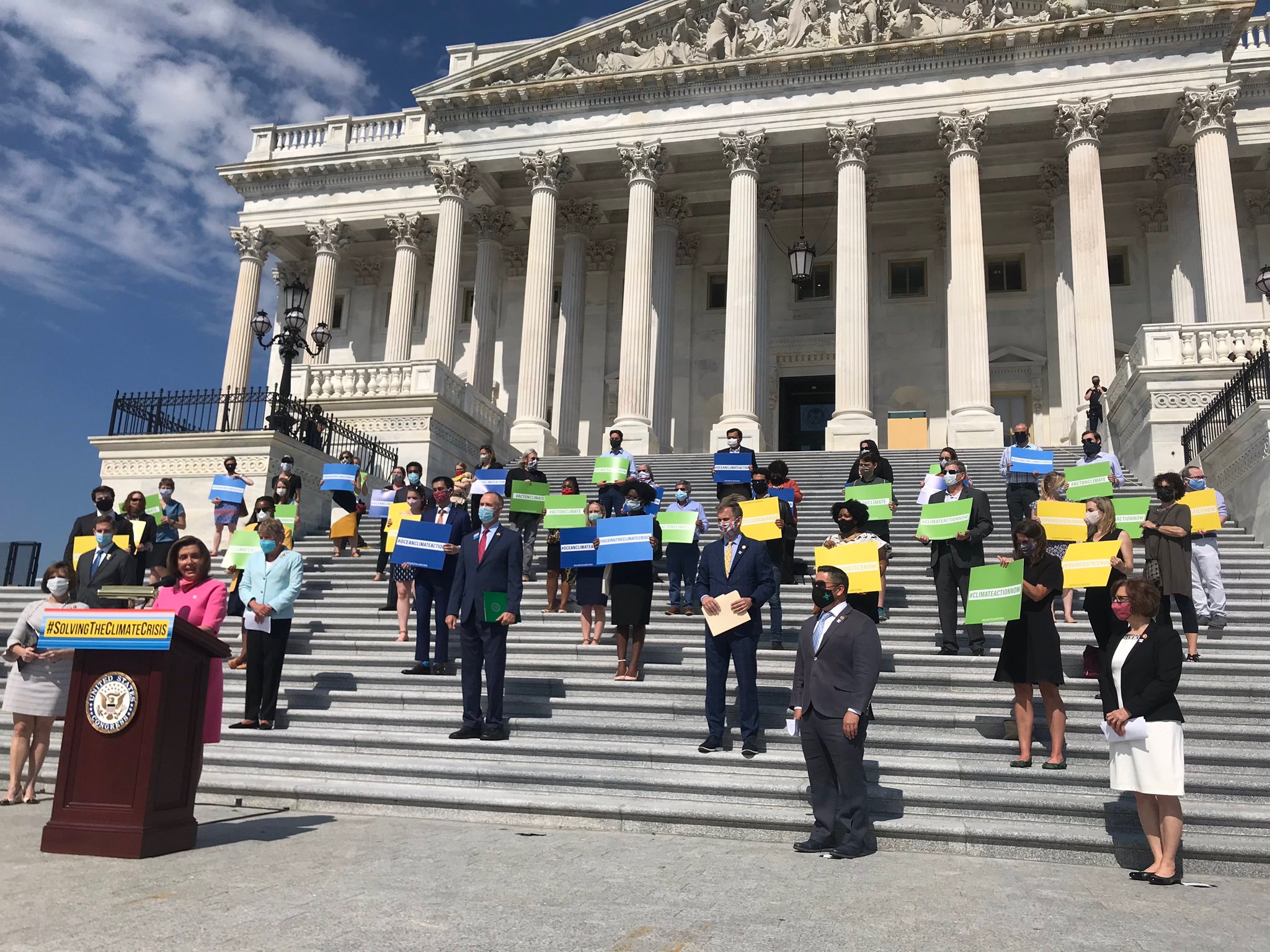

El Capitolio de los Estados Unidos durante la Semana de Defensa de los Verdes Latinos en el Mes de la Herencia Hispana.
Para las comunidades latinas de todo el país, esta lucha es profundamente personal. Durante décadas, hemos vivido en la primera línea del daño ambiental, desde Refinerías en el East End de Houston a las carreteras que atraviesan barrios predominantemente latinos de Los Ángeles. Ley Nacional de Política Ambiental (NEPA))-nuestro piedra angular La protección del medio ambiente ha sido nuestro escudo, dándonos el poder de oponernos a proyectos que amenazan nuestra salud y nuestro futuro. Y ahora, está bajo ataque nuevamente. La Ley de Reforma de Permisos Energéticos eliminaría estas protecciones, silenciaría las voces públicas y allanaría el camino para proyectos de combustibles fósiles que sabemos que dañarán desproporcionadamente a comunidades como la nuestra.
Estas elecciones y los ataques previstos a las protecciones ambientales y sociales nos han mostrado la urgente necesidad de permanecer vigilantes e inquebrantables en nuestro compromiso con la justicia ambiental. No podemos permitir que los legisladores aprueben políticas que perpetúan los mismos daños de la industria de los combustibles fósiles bajo la apariencia de "progreso". Este proyecto de ley es un caballo de Troya que acelera los proyectos de combustibles fósiles mientras espolvorea medidas simbólicas de energía limpia para distraer la atención de los daños. Sacrificar a las comunidades de primera línea para asegurar victorias graduales no es progreso, es traición.
Como defensor de la comunidad, he visto de primera mano lo que sucede cuando dejamos pasar leyes perjudiciales. Al haber crecido en Whittier, California, una comunidad predominantemente latina plagada de contaminación del aire, viví los impactos de la injusticia ambiental todos los días. La NEPA fue una de las pocas herramientas que nos dio una oportunidad de luchar: una voz para exigir un aire más limpio y un futuro más saludable. Ahora, cuando veo que estas mismas protecciones están amenazadas, no puedo evitar pensar en la próxima generación y en el tipo de futuro que les estamos dejando.

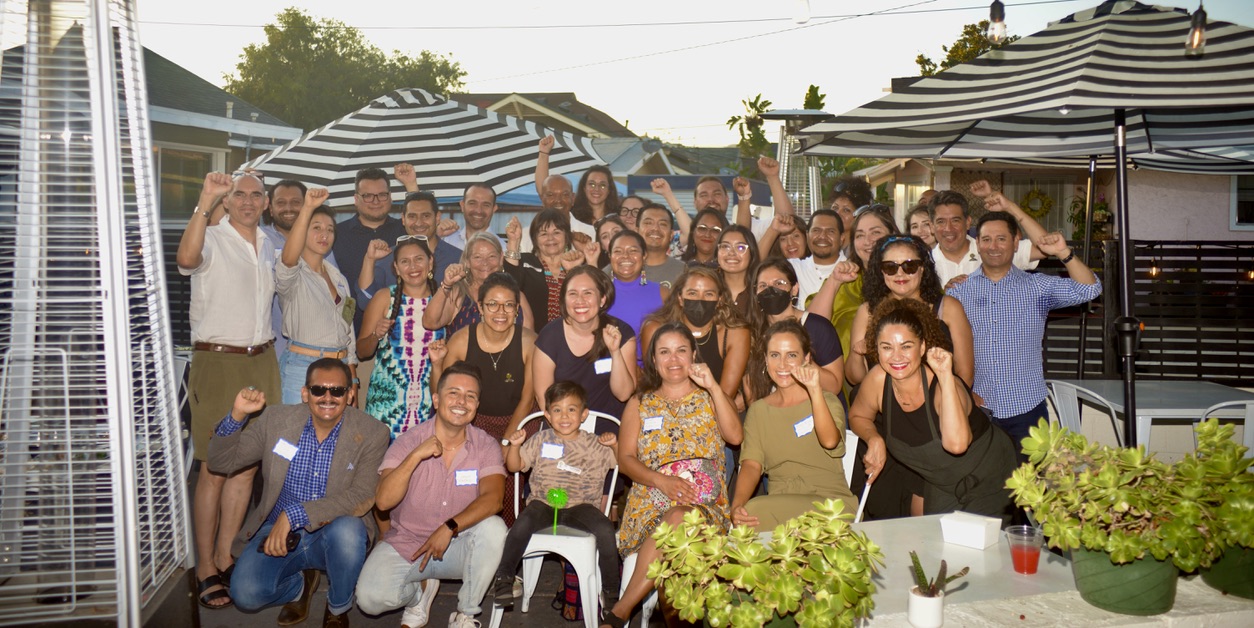
Defensores de GreenLatinos caminan frente al Capitolio de los Estados Unidos durante la Semana de Defensa.
Estas elecciones fueron una llamada de atención: no podemos esperar a que se den las circunstancias ideales para contraatacar. El momento de actuar es ahora. Si cedemos un centímetro, ellos se quedarán con el kilómetro y nuestras comunidades pagarán el precio. GreenLatinos se mantiene firme en su compromiso con la justicia ambiental y con garantizar que ninguna comunidad de primera línea sufra las consecuencias de una legislación perjudicial. Hemos luchado demasiado durante demasiado tiempo para permitir que la industria de los combustibles fósiles dicte nuestro futuro de energía limpia.
Debemos rechazar la Ley de Reforma de los Permisos Energéticos, sin importar la forma que adopte, y exigir políticas audaces y justas que no comprometan nuestros valores ni a nuestra gente. Este es un momento para el coraje, la unidad y un compromiso inquebrantable con la equidad. Nos negamos a repetir los daños del pasado o a apoyar los esfuerzos de las industrias que los han causado.
La transición hacia una energía limpia es nuestra oportunidad de escribir una historia diferente, una historia en la que cada comunidad, especialmente aquellas que han sido ignoradas durante mucho tiempo, tenga voz y voto y comparta los beneficios. No dejemos que este momento se nos escape. Juntos, podemos garantizar un futuro en el que el progreso beneficie a todos, no solo a unos pocos privilegiados.
Irene Burga es la directora del Programa de Justicia Climática y Aire Limpio de GreenLatinos.