By Irene Burga, Climate Justice & Clean Air Director at GreenLatinos
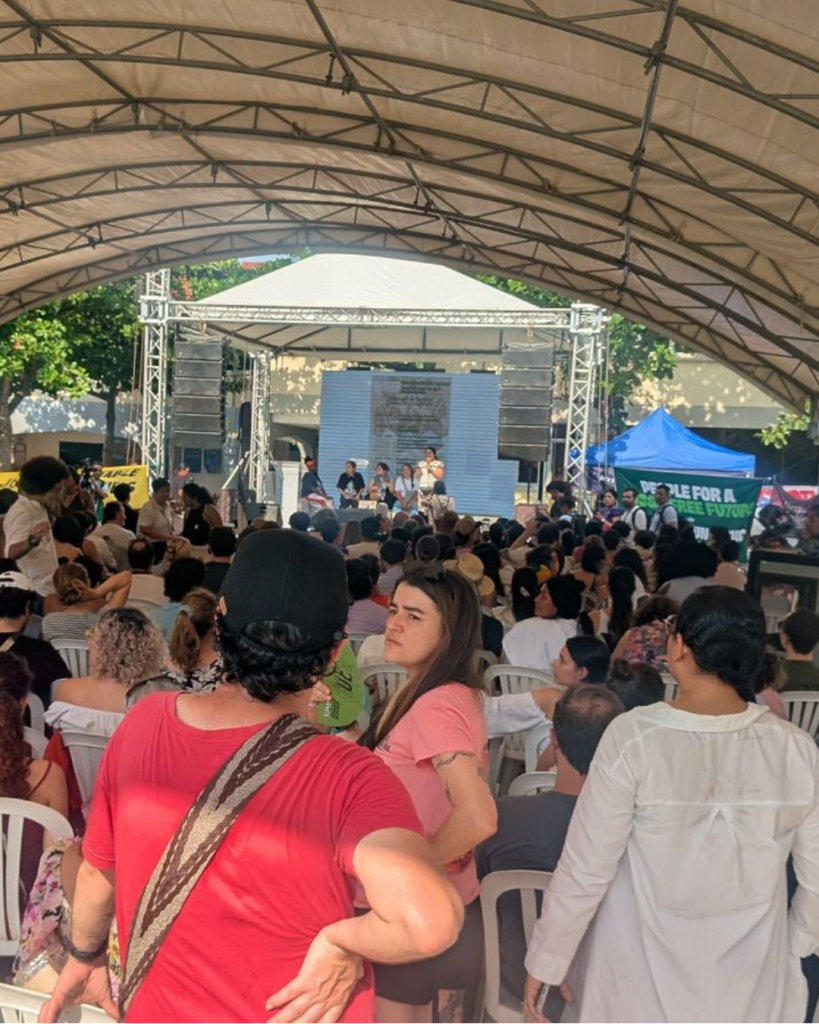
This week, leaders from around the world are gathering in Santa Marta, Colombia, for something we have not seen before: a global conference focused specifically on how to transition away from fossil fuels in a way that is fair and grounded in justice.
For many of us in the climate movement, this moment did not come out of nowhere. It is the result of decades of organizing led by Indigenous communities, Afro-descendant leaders, workers, and frontline families who have long been clear about what is at stake. We cannot solve the climate crisis without ending our dependence on fossil fuels, and we cannot do that without centering the people most impacted.
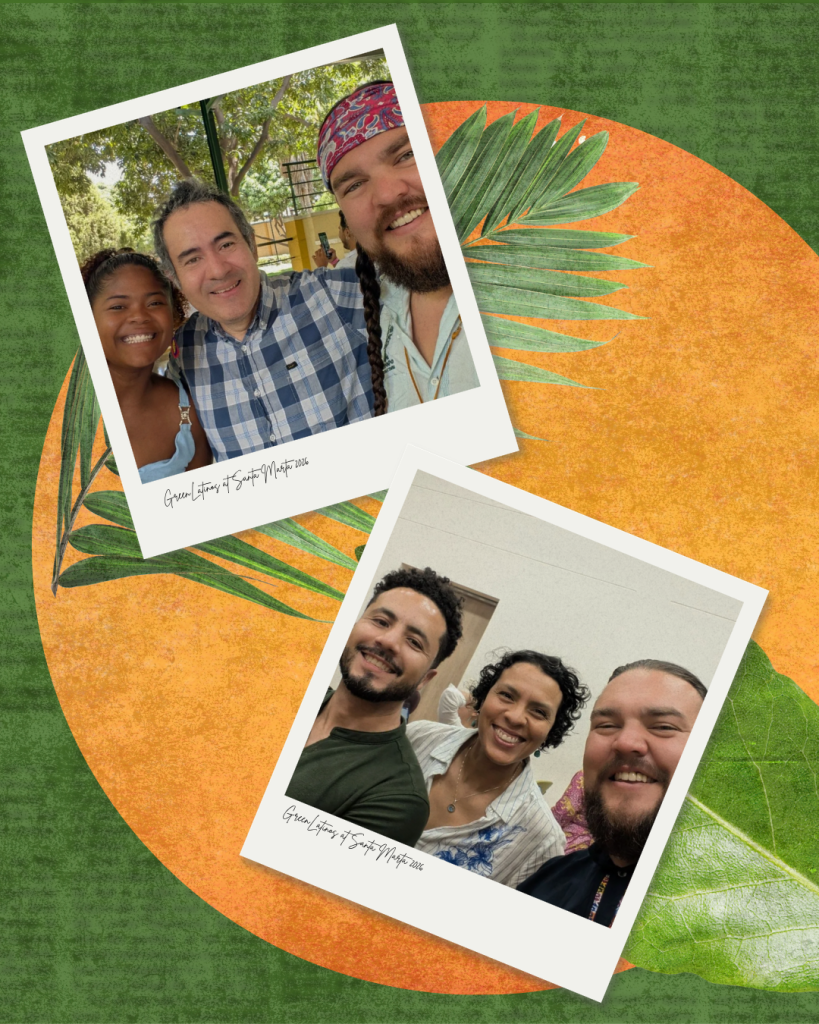
At GreenLatinos, we are showing up in Santa Marta as part of a broader commitment to connect Latino communities in the United States with those across Latin America. Our communities are deeply tied to both places. The climate crisis is too.
Why this moment matters
The Santa Marta conference builds on growing global momentum. More than 80 countries have already called for a transition away from fossil fuels that is fast, fair, and fully funded. Now, governments and civil society are coming together to figure out what that actually looks like.
What stands out most is who is leading this conversation. Communities that have lived with the impacts of extraction and pollution are not waiting to be invited in. They are setting the terms.
They are also making something very clear. A transition that leaves workers behind, ignores community voices, or continues the same extractive practices under a different name is not a just transition. It is just more of the same.
What this means for Latino communities in the U.S.
For Latino communities in the United States, this is not abstract.
We live with the impacts of fossil fuel infrastructure every day. Refineries, highways, and industrial facilities are often located near our neighborhoods. Many of our families are dealing with asthma, extreme heat, and rising energy costs.
At the same time, U.S. demand for oil and gas continues to drive extraction across Latin America. That extraction contributes to displacement, environmental damage, and instability in the very places many of our families come from.
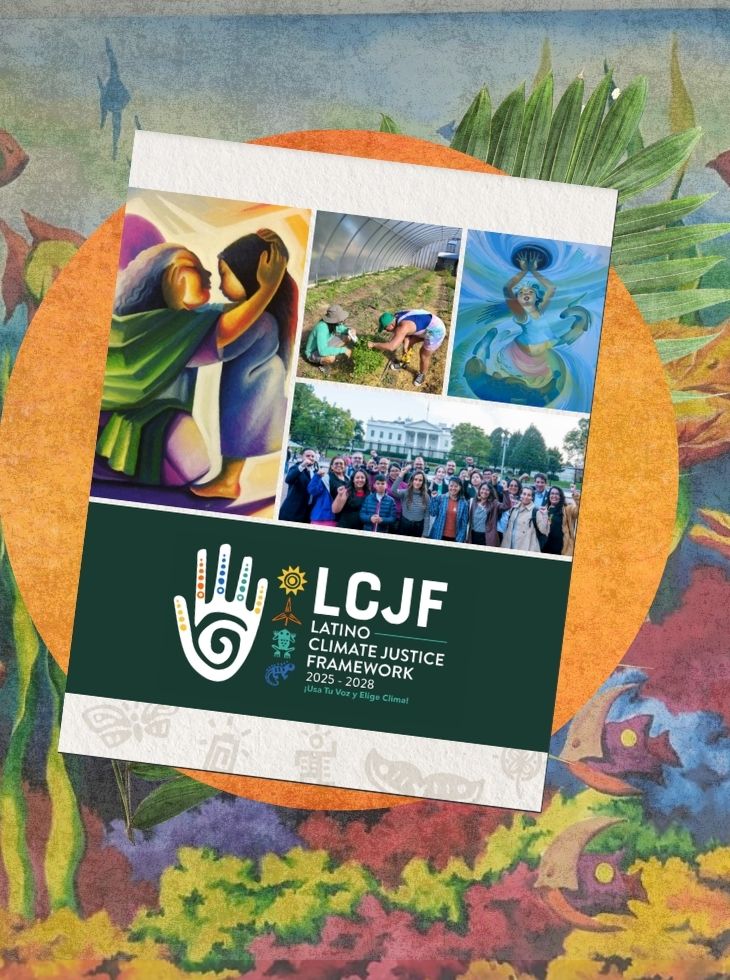
These are not separate issues. They are part of the same system.At GreenLatinos, our Marco Latino de Justicia Climática was built with this in mind. Climate justice for our communities means addressing what is happening here in the U.S. and what is happening across borders.
A just transition has to mean something real
If we are serious about phasing out fossil fuels, we have to be just as serious about what comes next.
That means communities need to be part of decision-making from the start, not brought in at the end. It means workers need real pathways to good jobs, not promises. It means communities that have been harmed need support, investment, and care.
It also means being honest about what does not work. We cannot rely on solutions that keep us locked into fossil fuels while claiming progress. If emissions are not going down at the source, we are not solving the problem.
And we cannot ignore the broader context. Fossil fuels are tied to global conflict, militarization, and struggles over land and resources. A just transition should move us away from those systems, not reinforce them.
What GreenLatinos is working toward
As GreenLatinos deepens our international engagement, GreenLatinos is focused on a set of clear goals that connect our U.S.-based work with global climate justice efforts:
Building Cross-Border Solidarity
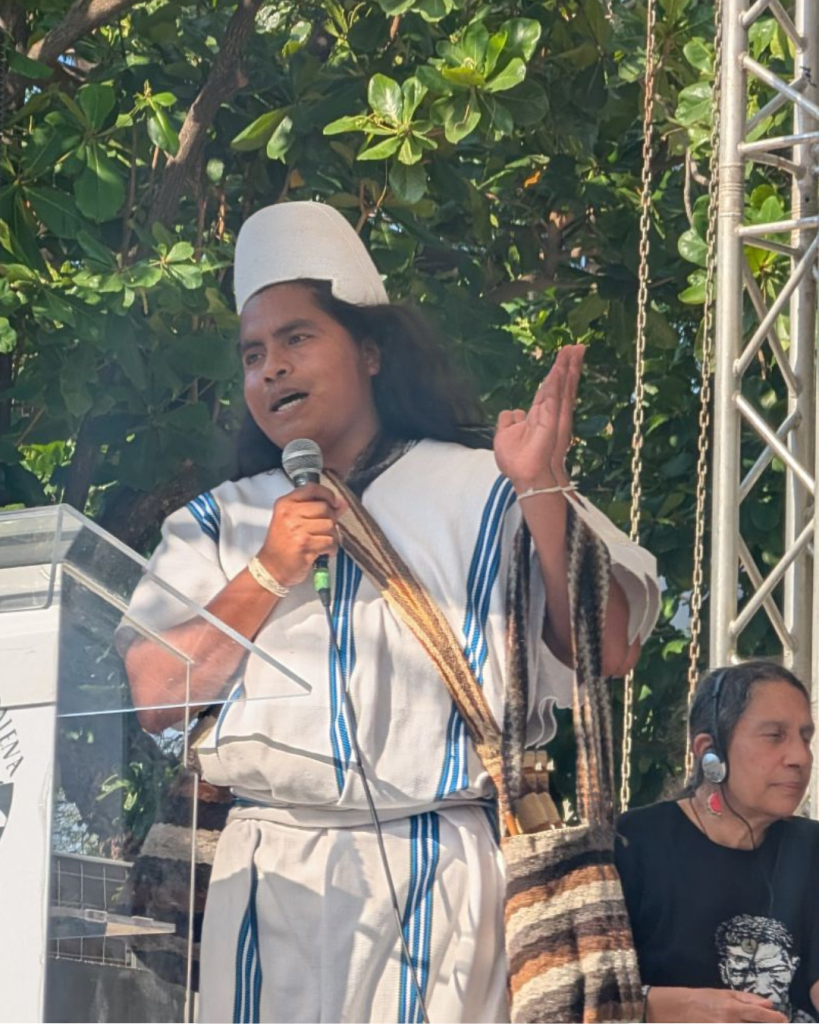
We aim to strengthen relationships between Latino communities in the U.S. and frontline communities across Latin America, recognizing that our struggles are shared and interconnected.
Bringing Global Lessons Home
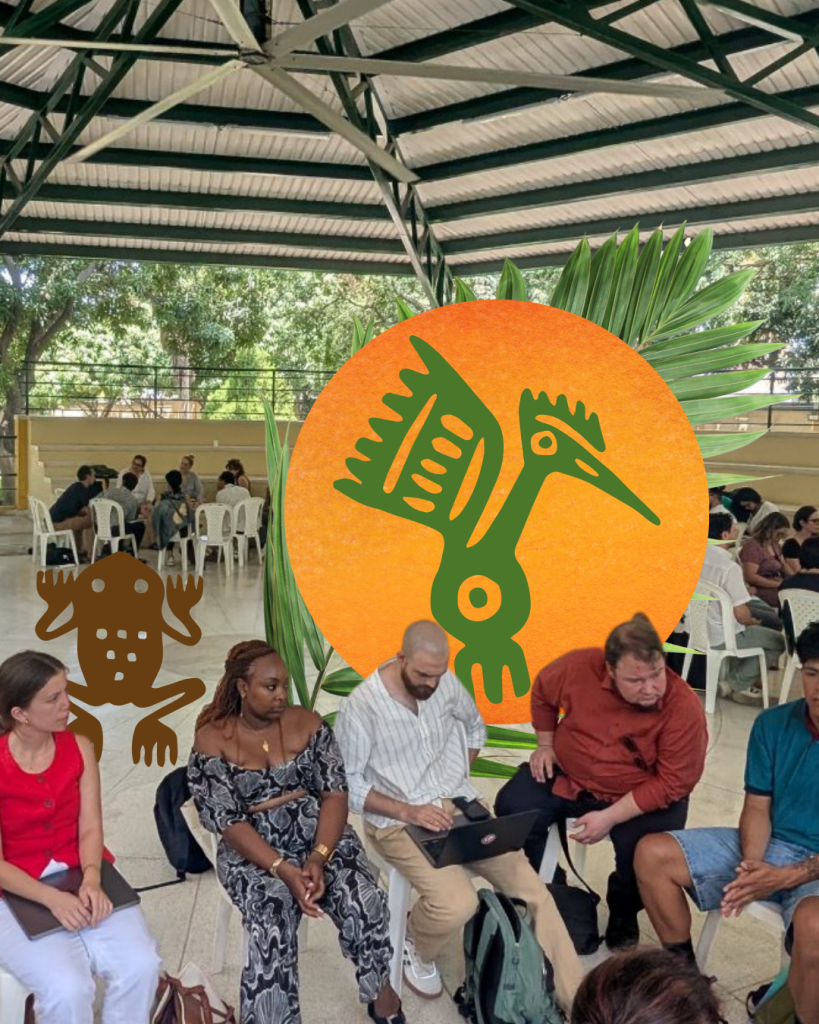
We are identifying strategies from international fossil fuel resistance movements that can inform our work on infrastructure fights, air quality, and energy justice in the U.S.
Elevating Latino Leadership in Global Spaces
We are working to ensure that Latino voices, particularly those from frontline communities, are visible, heard, and influential in shaping global climate solutions.
Advancing a Just Transition Framework
Through the Latino Climate Justice Framework, we are grounding our work in principles that center equity, worker protections, and community leadership, ensuring that the transition away from fossil fuels benefits our communities, rather than leaving them behind.
What comes next
Santa Marta should not be just another international meeting. It should move us closer to real commitments and real action.
For GreenLatinos, this is part of a longer path. We are working toward a future where Latino communities are no longer on the frontlines of pollution and climate harm, but are shaping the solutions.
A future with clean air, affordable energy, and real opportunities.
And a future where the transition away from fossil fuels is not only happening, but happening in a way that is fair.

Want to stay informed and be part of GreenLatinos’ growing international climate work? Join our communications list for updates.