By Irene Burga, Climate Justice & Clean Air Director at GreenLatinos
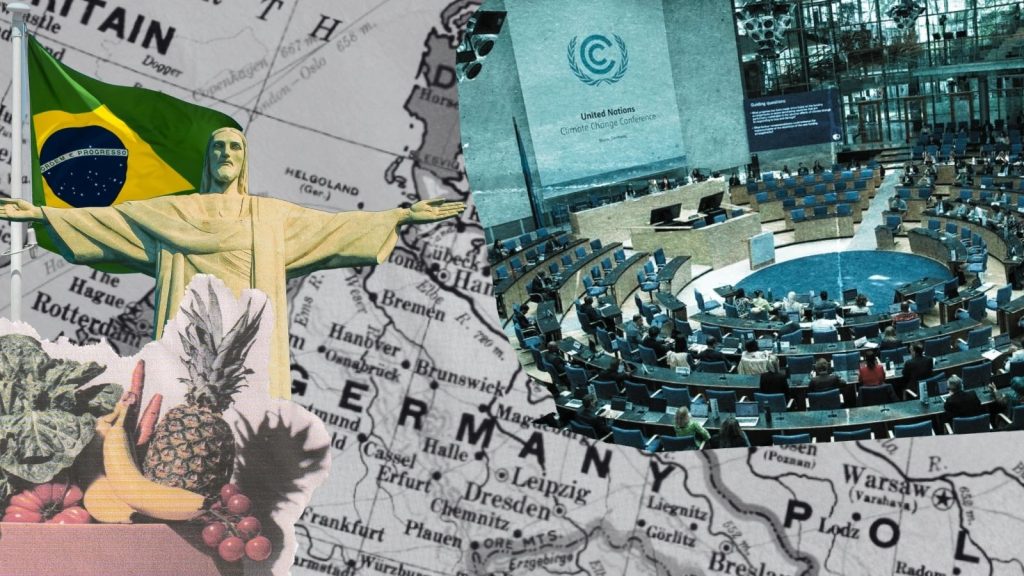
When people think about climate policy, they often think about what happens in Washington, D.C. But many of the decisions shaping our climate future are happening in international spaces that most people never hear about.
From United Nations climate negotiations to emerging global convenings focused on fossil fuel phaseout, these forums shape the policies, funding, and political momentum affecting Latino communities both in the United States and across Latin America. At GreenLatinos, we believe our communities deserve not only to understand these conversations, but to help shape them.
Our communities are deeply connected to both the impacts of climate change and the systems driving it. We face pollution, extreme heat, and environmental injustice here in the U.S., while many of our families and communities across Latin America are experiencing displacement, extraction, drought, and economic instability tied to the same fossil fuel economy. As an organization representing the Latino diaspora in the United States while building stronger relationships across Latin America, GreenLatinos sees international climate engagement as essential to advancing environmental justice at home and abroad.
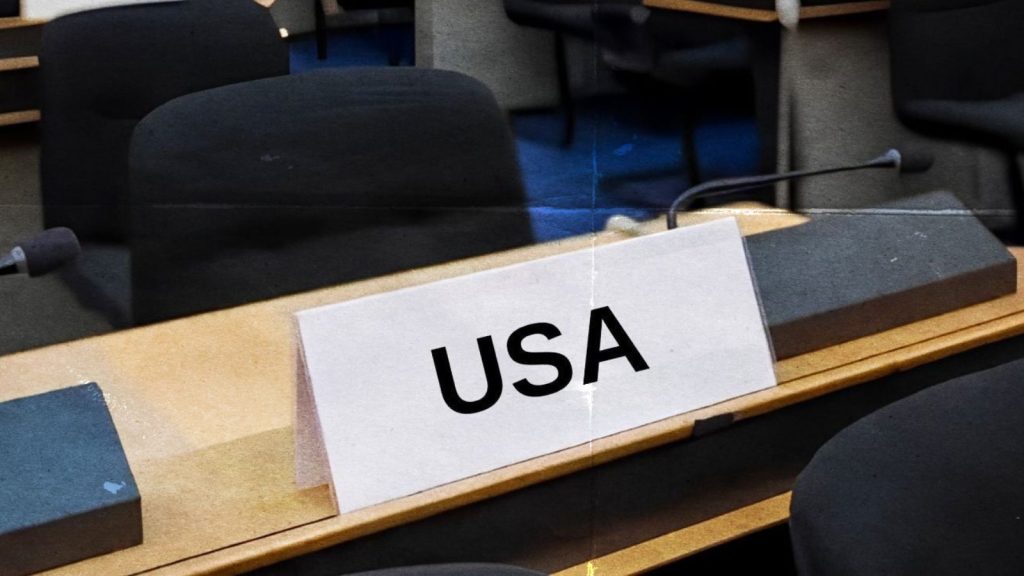
U.S. Lacking Leadership
These international climate conversations are unfolding at a deeply concerning moment in the United States. While countries around the world are advancing conversations on fossil fuel phaseout, climate accountability, and just transition, the Trump Administration is moving in the opposite direction.
Although the United States remains formally within the UN climate process, it has renewed withdrawal from the Paris Agreement, weakened support for climate finance and environmental justice, and continued expanding fossil fuel production even as much of the world pushes toward a just transition. As one of the world’s largest historical emitters, the U.S. has a responsibility not only to reduce emissions domestically, but to support a just global transition rather than continue fueling inequity abroad.
At the same time, states, Tribal Nations, local governments, civil society organizations, and grassroots movements are increasingly stepping up to fill the federal leadership vacuum.
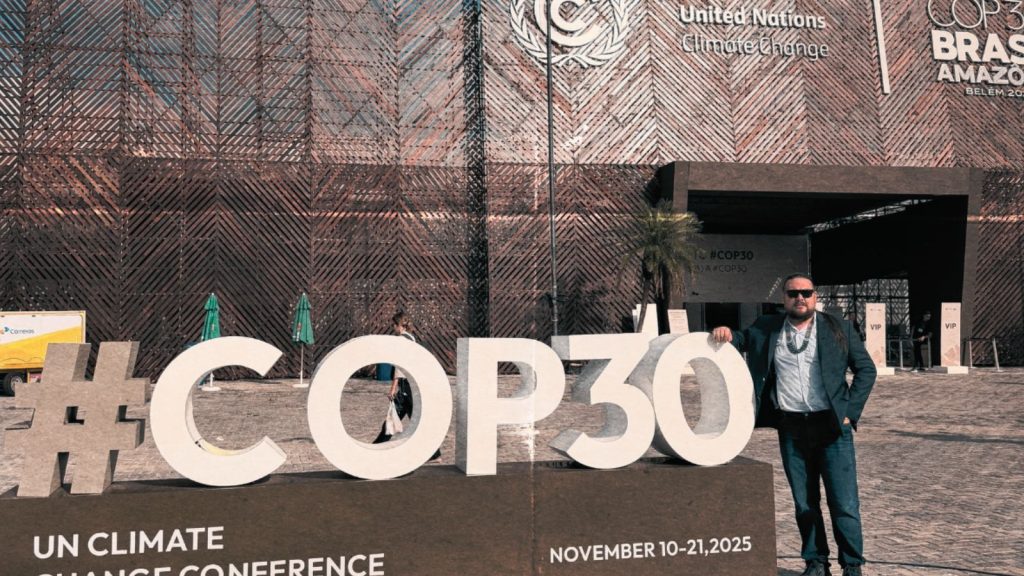
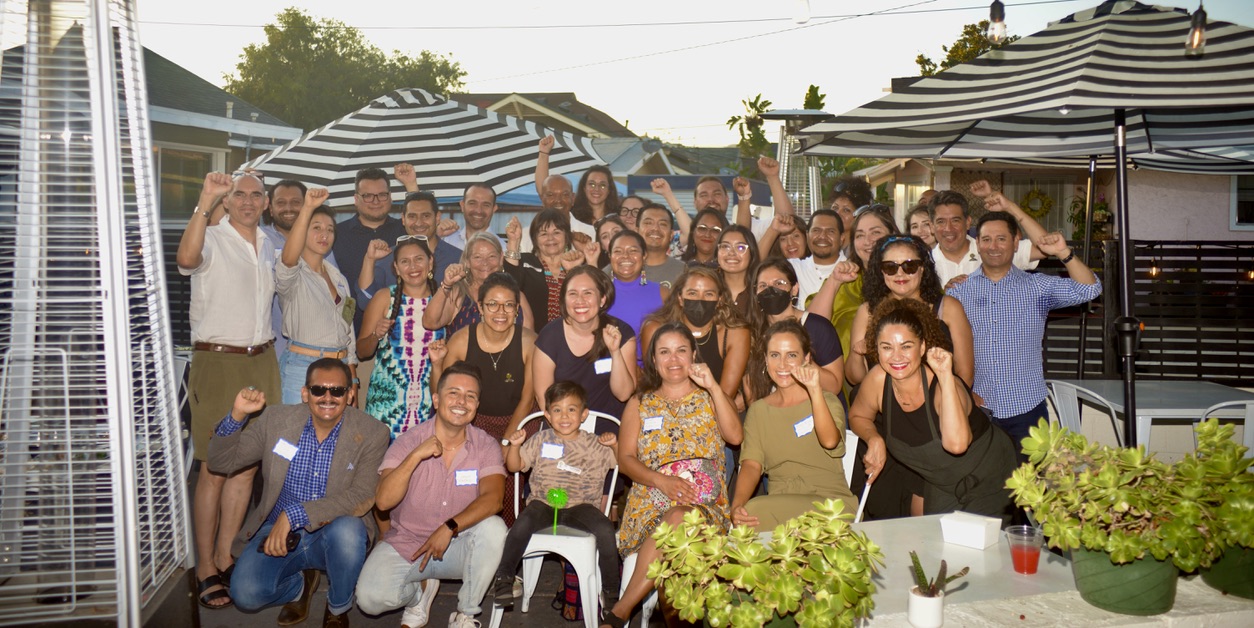
GreenLatinos present at COP30 in Belém, Brazil
COP30 and the Belém–Antalya Mechanism
The annual UN climate conferences, known as COPs, are where governments gather to negotiate international climate action and assess global progress.
Last year’s COP30 in Belém, Brazil, marked an important shift. Governments more openly acknowledged the need to transition away from fossil fuels, while civil society and frontline communities pushed for stronger accountability, climate finance, and justice-centered implementation.
One important outcome was the emerging Belém–Antalya Mechanism (BAM), which aims to carry momentum from COP30 in Brazil toward COP31 in Turkey by strengthening international coordination on climate ambition, adaptation, finance, and pathways away from fossil fuels.
For environmental justice advocates, the key question remains: will these processes deliver real accountability and resources for impacted communities, or simply more voluntary promises without enforcement?
Santa Marta: Building Momentum Beyond the UN
Earlier this year, GreenLatinos attended the Santa Marta Fossil Fuel Phaseout Conference in Colombia, convened by Colombia and the Netherlands, where we advocated for a binding just transition agreement that rejects false solutions.
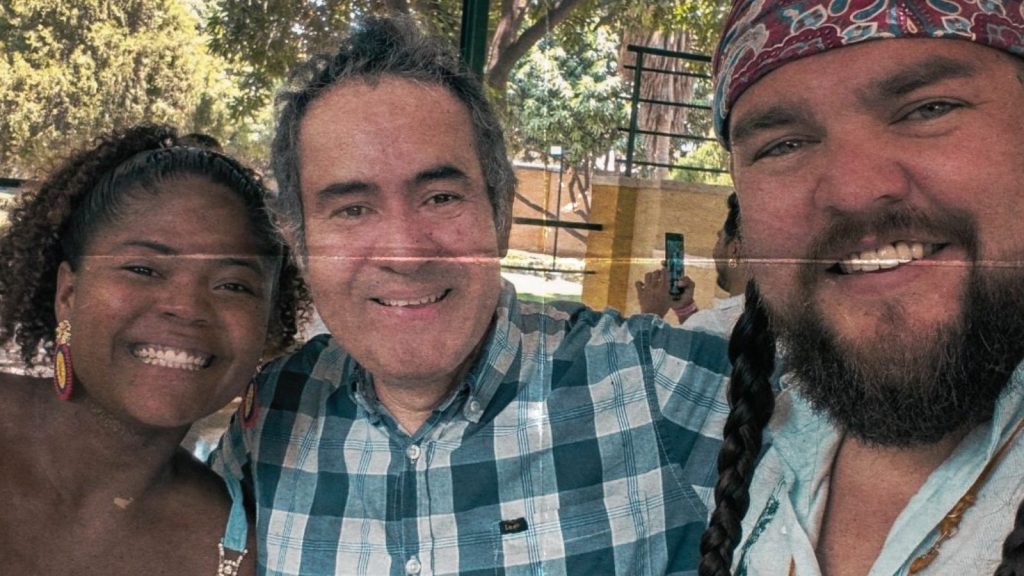
GreenLatinos present at Santa Marta Fossil Fuel Phaseout Conference in Colombia
More than 50 countries participated alongside Indigenous Peoples, Afro-descendant leaders, youth, labor, and civil society movements. Discussions focused on a legally binding Fossil Fuel Treaty, a rights-based and fully funded just transition, rejection of false solutions like carbon markets and geoengineering, and non-debt climate finance for Global South countries.
For many frontline advocates, Santa Marta represented something rare: a global space where communities most impacted by extraction were not simply consulted, but helping shape the vision for what comes next.
At the same time, the conference exposed serious shortcomings. Frontline communities raised concerns about visa barriers, language accessibility, unequal participation, and the lack of binding commitments from governments. Still, Santa Marta matters because it is helping build political pressure beyond the limitations of the UN climate negotiations, where consensus rules often slow progress.
Bonn and the Growing Push for Accountability
Right now, negotiators, governments, and advocates are gathered at the Bonn Climate Change Conference in Germany, where draft language is negotiated and the groundwork is laid for decisions at COP31 later this year in Turkey.
Civil society organizations are pushing for stronger fossil fuel phaseout language, climate finance commitments, and protections against fossil fuel industry influence in international negotiations.
The Bonn conference also comes on the heels of a historic International Court of Justice advisory opinion affirming that governments have legal obligations to protect people from climate harm. While the opinion is not directly enforceable, it strengthens the global legal and moral case for climate accountability and reinforces what frontline communities have long argued: climate change is a human rights issue.
What Comes Next
Later this year, world leaders will gather at the G20 Summit in Miami and then at COP31 in Turkey. These spaces will shape whether countries move beyond rhetoric toward real commitments.
At GreenLatinos, we are working to ensure Latino communities are part of these conversations. Our international work focuses on connecting U.S. Latino communities with partners across Latin America, advancing environmental justice principles globally, and ensuring that frontline voices are not left out of decisions that affect our future.
The decisions made in these global spaces will shape our communities for generations, and Latino voices must help lead them.