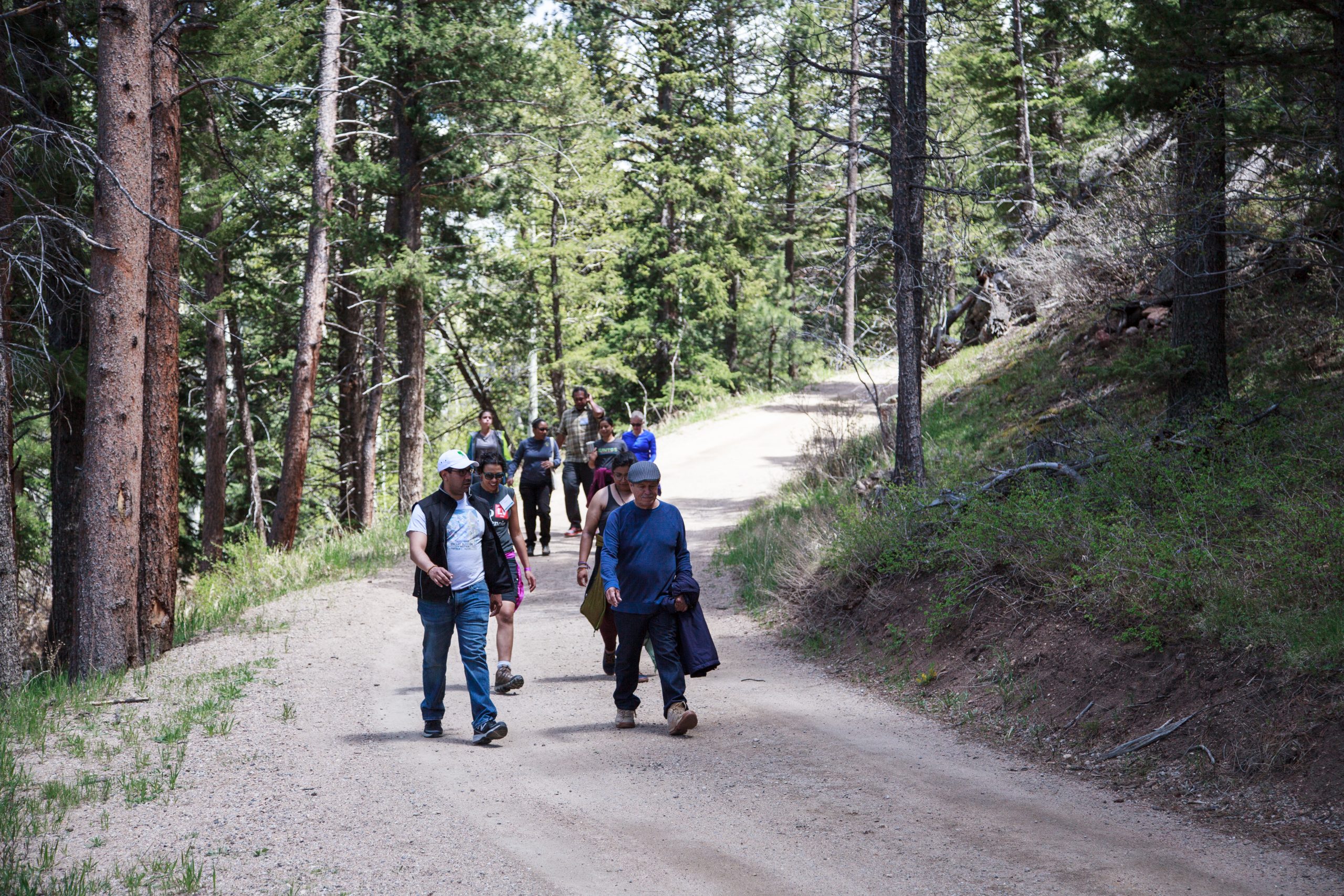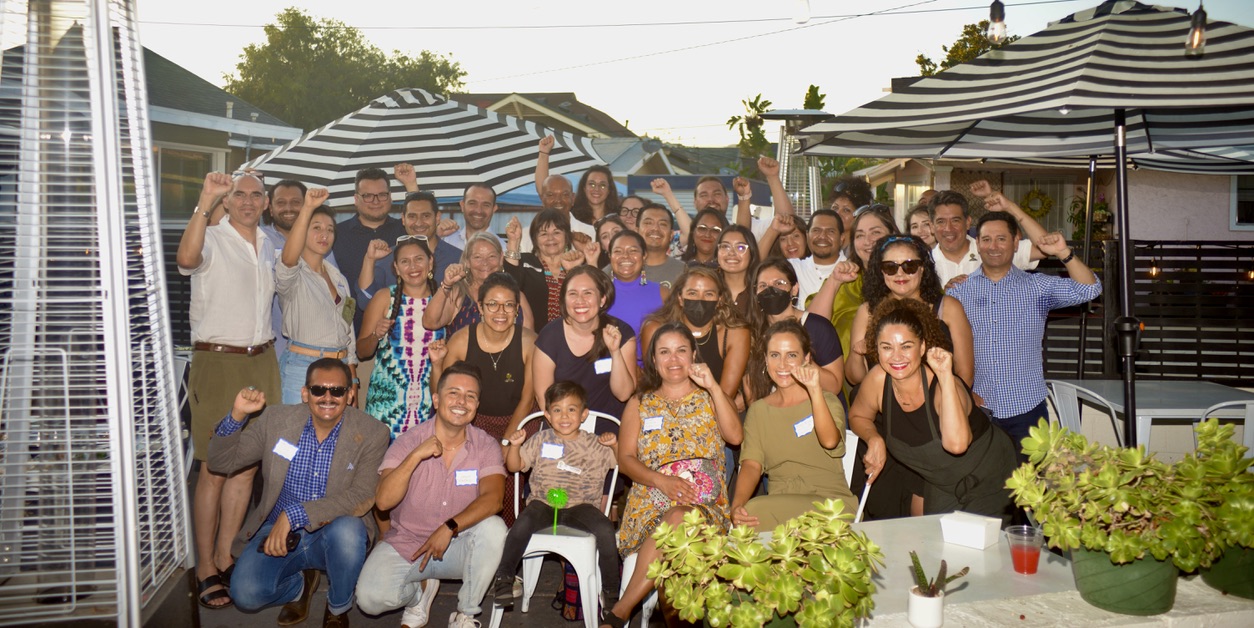
National Week Without Driving (this year, from October 1-8) challenges people to get around without a car for a day, a trip, or the whole week. Targeted at elected officials and transportation decision-makers, the campaign, started in 2021 by an activist Disability Rights Washington, isn't really about the inconvenience of the time spent and logistics of catching a bus instead of driving. It's about something our comunidades already know well: in much of the US, if you can't drive, you're often stuck.
For nearly a third of people living in the US, namely older adults, people with disabilities, young people, and low-income families who simply can't afford a car, "car-optional" isn't a lifestyle choice, it's daily reality.
And Latino/e households are disproportionately among them: Latino households are roughly twice as likely as white households to lack access to a car (12% versus 6.5%).
Decades of underinvestment in public transit, sidewalks, and safe bike infrastructure, paired with land-use decisions that assume everyone drives or wants to drive, have left many of our neighborhoods disconnected from jobs, schools, and healthcare unless you own a car.
This is not an accident. It's the same pattern of disinvestment that has created geographical apartheid, putting Latino, Black, and low-income communities closest to the highways, freight corridors, and tailpipe pollution. A transportation system built exclusively around driving doesn't just exclude non-drivers; the result is more cars, more trucks, and more emissions concentrated in the neighborhoods that already carry the heaviest pollution burden.
Fixing this isn't complicated: Invest in frequent, reliable public transit; build sidewalks and protected bike infrastructure that actually connect to where people need to go; and stop designing transportation policy as if a car in every driveway is the only acceptable outcome.
Week Without Driving is a useful exercise for anyone who's never had to think about it. For many in our comunidades, it's just called Tuesday. Real transportation equity means building a system that works for everyone..
This week, we're not just asking people to leave the car at home. We're asking them to notice who already doesn't have a choice.