Por Irene Burga, Directora de Justicia Climática y Aire Limpio en GreenLatinos
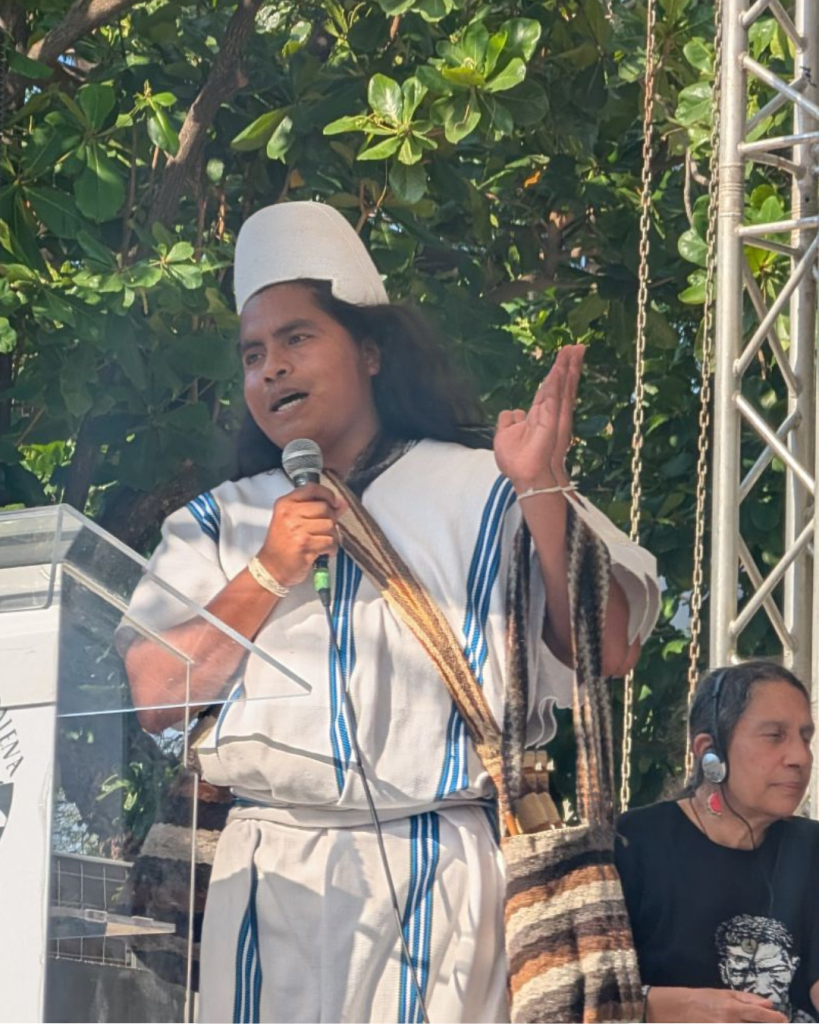
Esta semana, líderes de todo el mundo se reúnen en Santa Marta, Colombia, para algo que no habíamos visto antes: una conferencia global enfocada en cómo dejar los combustibles fósiles de manera justa y equitativa.
Este momento no surgió de la nada. Es resultado de años de lucha liderada por comunidades indígenas, afrodescendientes, trabajadores y familias que han estado en la primera línea. Ellos han sido claros: no podemos resolver la crisis climática sin dejar los combustibles fósiles, y no podemos hacerlo sin poner al centro a las comunidades más afectadas.
En GreenLatinos, estamos presentes en Santa Marta como parte de nuestro compromiso de conectar a las comunidades latinas en Estados Unidos con las de América Latina. Nuestras historias y nuestras luchas están profundamente conectadas. La crisis climática también lo está.
La conferencia de Santa Marta refleja un impulso global creciente. Más de 80 países ya han pedido una transición que sea rápida, justa y bien financiada. Ahora, gobiernos y organizaciones están tratando de definir cómo hacerlo realidad.
Lo más importante es quién está liderando esta conversación. Las comunidades que han vivido los impactos de la contaminación no están esperando ser invitadas. Están marcando el camino.
También están dejando algo muy claro: una transición que deja atrás a los trabajadores, ignora a las comunidades o repite las mismas prácticas extractivas no es justa. Es simplemente más de lo mismo.
Para nuestras comunidades, esto no es algo lejano.
Vivimos todos los días con los impactos de la infraestructura de combustibles fósiles. Refinerías, carreteras y fábricas suelen estar cerca de nuestros vecindarios. Muchas familias enfrentan asma, calor extremo y costos de energía cada vez más altos.
Al mismo tiempo, la demanda de petróleo y gas en Estados Unidos impulsa la extracción en América Latina. Esto provoca desplazamiento, daños ambientales e inestabilidad en los lugares de donde vienen muchas de nuestras familias.
No son problemas separados. Son parte del mismo sistema.
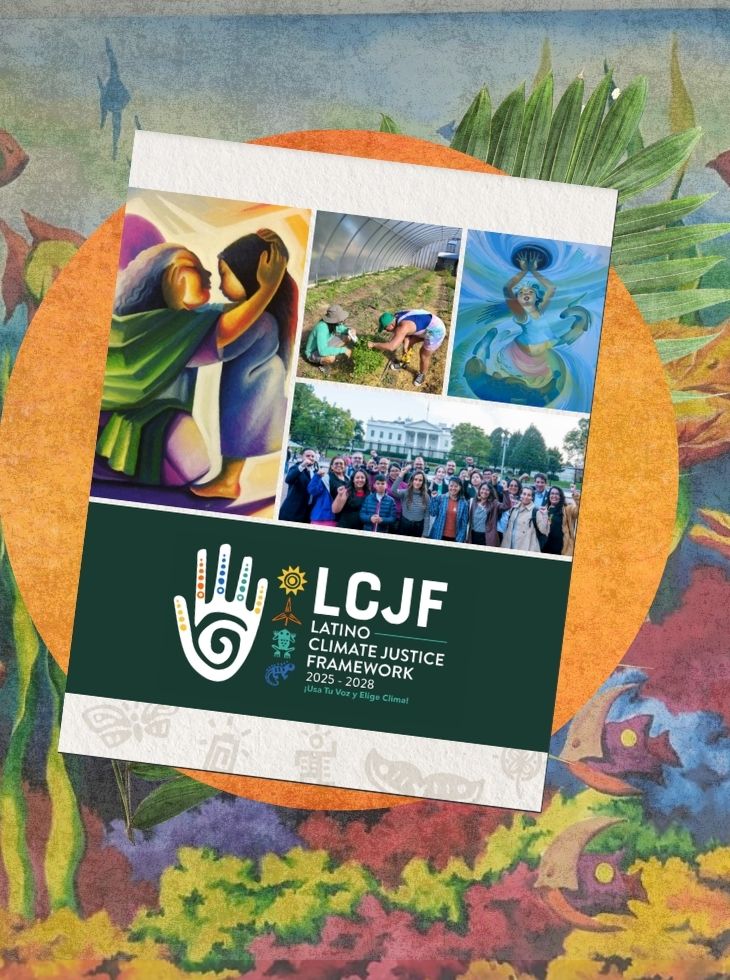
En GreenLatinos, nuestro Marco de Justicia Climática Latina (LCJF) reconoce esta realidad. La justicia climática significa atender lo que pasa aquí y también lo que pasa más allá de nuestras fronteras.
Si hablamos en serio de dejar los combustibles fósiles, también debemos ser claros sobre lo que viene después.
Esto significa que las comunidades deben participar desde el inicio en la toma de decisiones, no solo al final. Significa que los trabajadores necesitan oportunidades reales de empleo, no promesas. Y significa que las comunidades afectadas necesitan inversión, apoyo y cuidado.
También implica ser honestos sobre lo que no funciona. No podemos depender de soluciones que dicen avanzar pero mantienen la dependencia a los combustibles fósiles. Si no reducimos las emisiones desde la fuente, no estamos resolviendo el problema.
Además, no podemos ignorar el contexto más amplio. Los combustibles fósiles están ligados a conflictos globales, militarización y disputas por recursos. Una transición justa debe alejarnos de esos sistemas, no reforzarlos.
A medida que fortalecemos nuestro trabajo internacional, en GreenLatinos estamos enfocados en:
Construir solidaridad entre países: Fortalecer las relaciones entre comunidades latinas en Estados Unidos y comunidades en América Latina, reconociendo que nuestras luchas están conectadas.
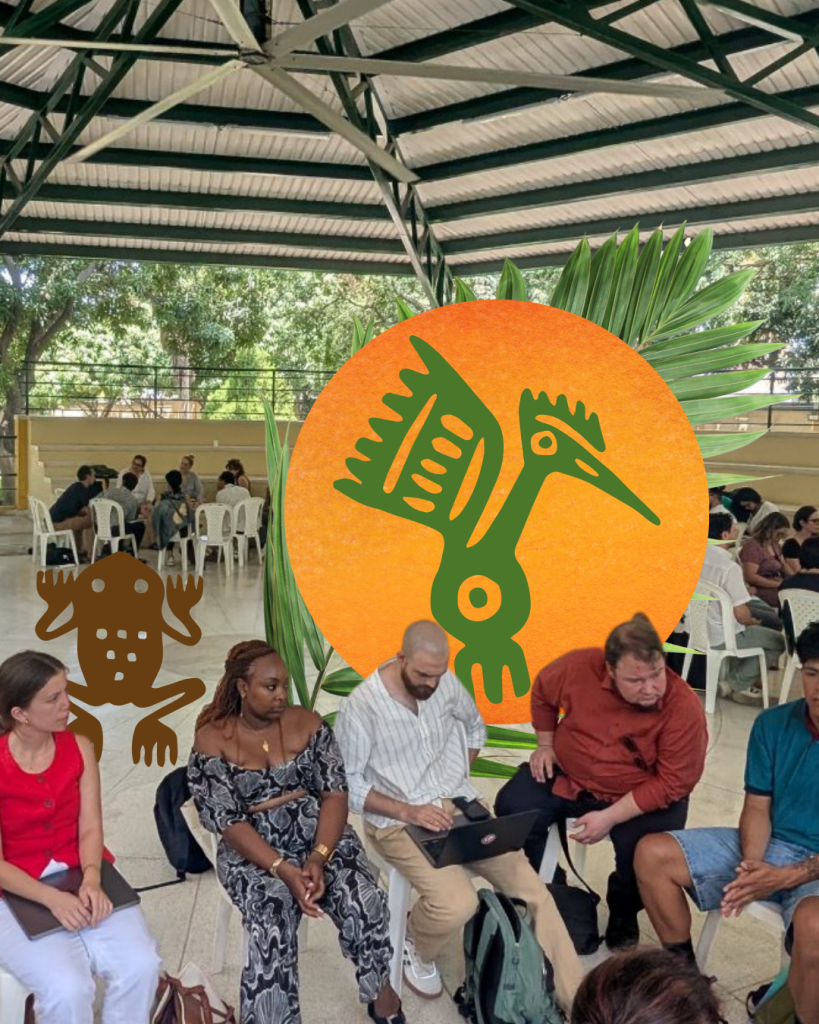
Traer aprendizajes globales a casa: Identificar estrategias de movimientos internacionales que nos ayuden en nuestras luchas por aire limpio, justicia energética e infraestructura en Estados Unidos.
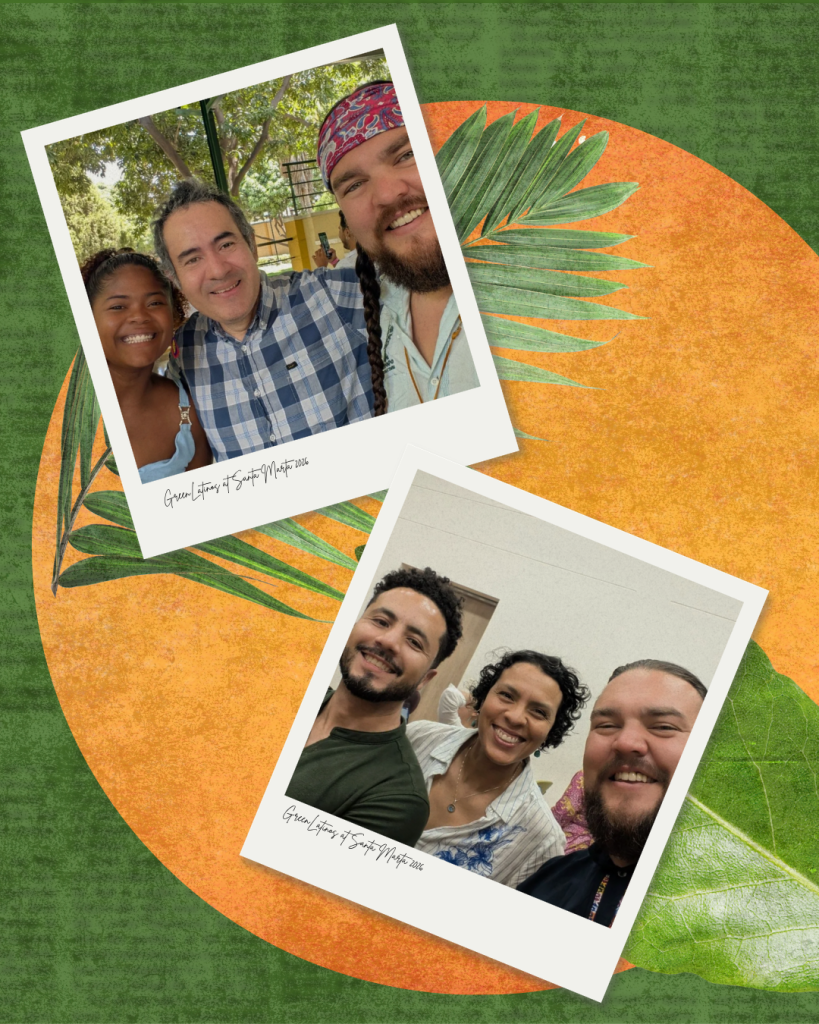
Elevar el liderazgo latino: Asegurar que las voces latinas, especialmente de comunidades en primera línea, sean escuchadas e influyan en soluciones globales.
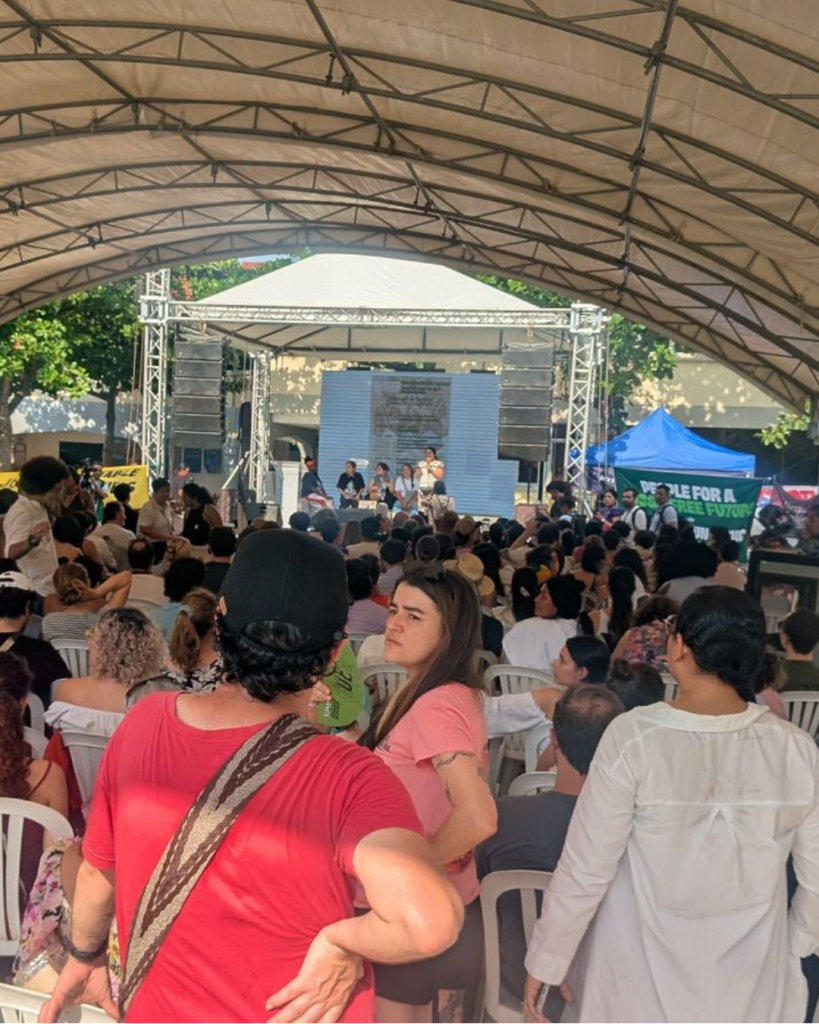
Impulsar una transición justa: A través del Marco de Justicia Climática Latina, centramos nuestro trabajo en la equidad, la protección de trabajadores y el liderazgo comunitario.
Santa Marta no debe ser solo otra reunión internacional. Debe acercarnos a compromisos reales y acción concreta.
Para GreenLatinos, esto es parte de un camino más largo. Estamos trabajando por un futuro donde nuestras comunidades no estén en la primera línea de la contaminación, sino liderando las soluciones.
Un futuro con aire limpio, energía accesible y oportunidades reales.
Y un futuro donde la transición lejos de los combustibles fósiles no solo ocurra, sino que ocurra de manera justa.

¿Quieres mantenerte informado y ser parte del creciente trabajo internacional de justicia climática de GreenLatinos? Únete a nuestra lista de comunicación para recibir actualizaciones.
By Irene Burga, Climate Justice & Clean Air Director at GreenLatinos
This week, leaders from around the world are gathering in Santa Marta, Colombia, for something we have not seen before: a global conference focused specifically on how to transition away from fossil fuels in a way that is fair and grounded in justice.
For many of us in the climate movement, this moment did not come out of nowhere. It is the result of decades of organizing led by Indigenous communities, Afro-descendant leaders, workers, and frontline families who have long been clear about what is at stake. We cannot solve the climate crisis without ending our dependence on fossil fuels, and we cannot do that without centering the people most impacted.
At GreenLatinos, we are showing up in Santa Marta as part of a broader commitment to connect Latino communities in the United States with those across Latin America. Our communities are deeply tied to both places. The climate crisis is too.
The Santa Marta conference builds on growing global momentum. More than 80 countries have already called for a transition away from fossil fuels that is fast, fair, and fully funded. Now, governments and civil society are coming together to figure out what that actually looks like.
What stands out most is who is leading this conversation. Communities that have lived with the impacts of extraction and pollution are not waiting to be invited in. They are setting the terms.
They are also making something very clear. A transition that leaves workers behind, ignores community voices, or continues the same extractive practices under a different name is not a just transition. It is just more of the same.
For Latino communities in the United States, this is not abstract.
We live with the impacts of fossil fuel infrastructure every day. Refineries, highways, and industrial facilities are often located near our neighborhoods. Many of our families are dealing with asthma, extreme heat, and rising energy costs.
At the same time, U.S. demand for oil and gas continues to drive extraction across Latin America. That extraction contributes to displacement, environmental damage, and instability in the very places many of our families come from.
These are not separate issues. They are part of the same system.At GreenLatinos, our Latino Climate Justice Framework was built with this in mind. Climate justice for our communities means addressing what is happening here in the U.S. and what is happening across borders.
If we are serious about phasing out fossil fuels, we have to be just as serious about what comes next.
That means communities need to be part of decision-making from the start, not brought in at the end. It means workers need real pathways to good jobs, not promises. It means communities that have been harmed need support, investment, and care.
It also means being honest about what does not work. We cannot rely on solutions that keep us locked into fossil fuels while claiming progress. If emissions are not going down at the source, we are not solving the problem.
And we cannot ignore the broader context. Fossil fuels are tied to global conflict, militarization, and struggles over land and resources. A just transition should move us away from those systems, not reinforce them.
As GreenLatinos deepens our international engagement, GreenLatinos is focused on a set of clear goals that connect our U.S.-based work with global climate justice efforts:
Building Cross-Border Solidarity
We aim to strengthen relationships between Latino communities in the U.S. and frontline communities across Latin America, recognizing that our struggles are shared and interconnected.
Bringing Global Lessons Home
We are identifying strategies from international fossil fuel resistance movements that can inform our work on infrastructure fights, air quality, and energy justice in the U.S.
Elevating Latino Leadership in Global Spaces
We are working to ensure that Latino voices, particularly those from frontline communities, are visible, heard, and influential in shaping global climate solutions.
Advancing a Just Transition Framework
Through the Latino Climate Justice Framework, we are grounding our work in principles that center equity, worker protections, and community leadership, ensuring that the transition away from fossil fuels benefits our communities, rather than leaving them behind.
Santa Marta should not be just another international meeting. It should move us closer to real commitments and real action.
For GreenLatinos, this is part of a longer path. We are working toward a future where Latino communities are no longer on the frontlines of pollution and climate harm, but are shaping the solutions.
A future with clean air, affordable energy, and real opportunities.
And a future where the transition away from fossil fuels is not only happening, but happening in a way that is fair.

Want to stay informed and be part of GreenLatinos’ growing international climate work? Join our communications list for updates.
GreenLatinos’ Urban Greening Initiative Shows Climate Resilience Starts at Home
FOR IMMEDIATE RELEASE: 04/22/2026
MEDIA CONTACT: Cumbia Padilla, Communications Coordinator, 707-382-8113, [email protected]
CHICAGO — In celebration of Earth Month, GreenLatinos is proud to share the growing impact of its Urban Greening Initiative, a community-driven effort advancing climate resilience, environmental justice, and authentic local stewardship across Chicago.
From expanding urban tree canopy and community gardens to bolstering youth workforce development programs and neighborhood compost hubs, the initiative has delivered measurable environmental and community benefits since its launch in August 2025.
Over the past six months, the program has:
“During Earth Month, we celebrate the real impact of our urban greening initiatives. When we invest resources directly into the hands of our communities, our planet heals,” said Amanda Pantoja, Urban Greening Initiative Coordinator with GreenLatinos. “Our neighborhoods have been caring for the Earth for generations, and this stewardship continues every day in our Latino households and communities. Seeing our people lead urban greening projects with their own vision and hands shows that climate resilience is not just a goal—it is a reality we are building together.”
In Chicago, projects advanced community green spaces, environmental learning areas for children, and restoration planning through partnerships with local institutions and residents. “In Chicago, we’re investing in community-driven projects that are turning some of our most environmentally burdened neighborhoods into healthier, greener spaces,” said Lucy Contreras, Illinois State Program Director with GreenLatinos. “Our awardees are reclaiming land, revitalizing their communities, and expanding access to nature in areas that have long been overburdened by pollution and disinvestment.”
This Earth Month, GreenLatinos reaffirms its commitment to investing in frontline communities and supporting community-led, culturally grounded solutions built for long-term climate resilience.
###
About GreenLatinos
GreenLatinos (NOTE: GreenLatinos is ONE WORD) is an active comunidad of Latino/a/e leaders, emboldened by the power and wisdom of our culture, united to demand equity and dismantle racism, resourced to win our environmental, conservation, and climate justice battles, and driven to secure our political, economic, cultural, and environmental liberation.
GreenLatinos (NOTA: GreenLatinos es UNA PALABRA) es una comunidad activa de líderes latines envalentonados por el poder y la sabiduría de nuestra cultura, unidos para exigir equidad y desmantelar el racismo, con recursos para ganar nuestra justicia ambiental, batallas de conservación y climáticas, e impulsados a asegurar nuestra liberación política, económica, cultural y ambiental.
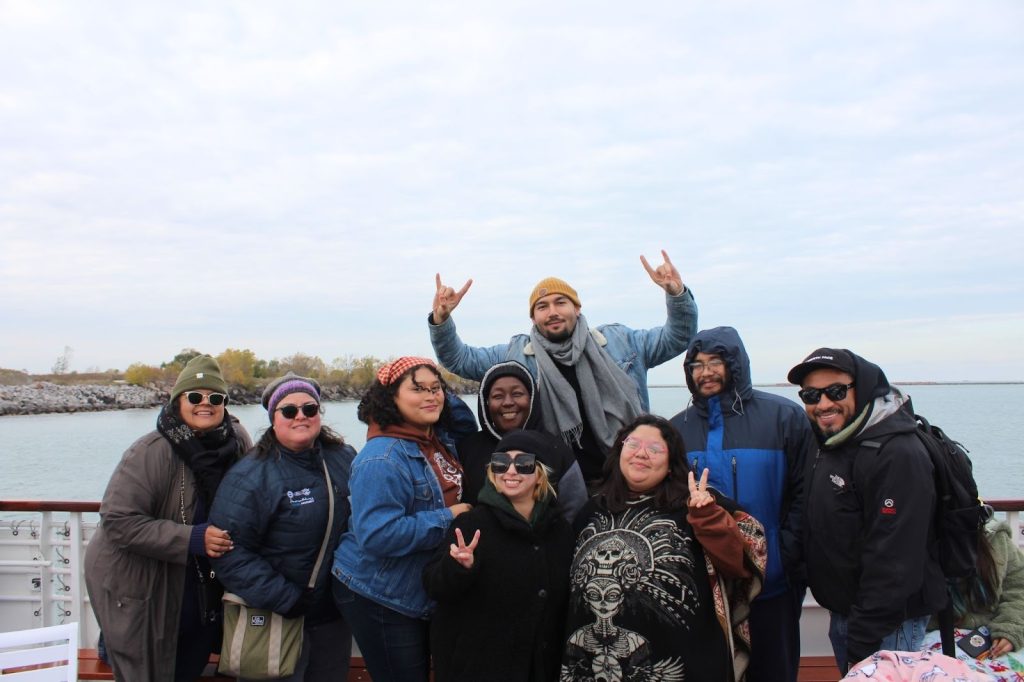
Community members on the Southeast Environmental Task Force Boat Tour.
This Earth Month, we want to take a moment to share and celebrate what our comunidades have been building across the country.
In the past six months, GreenLatinos partners across Chicago, Los Angeles, and Albuquerque have been doing what Latinos have always done: taking care of the land, feeding our neighbors, and investing in the youth around us.
Here's a look at what that work looks like on the ground.
The numbers
7,600+ community members showed up. 13,000+ pounds of fresh food were distributed. 611,000+ pounds of organic waste were diverted from landfills. 201 trees are in the ground. 3,500+ volunteer hours were logged by neighbors who chose to give their time to this work.
Gracias to our comunidades across the country for their work!
Chicago
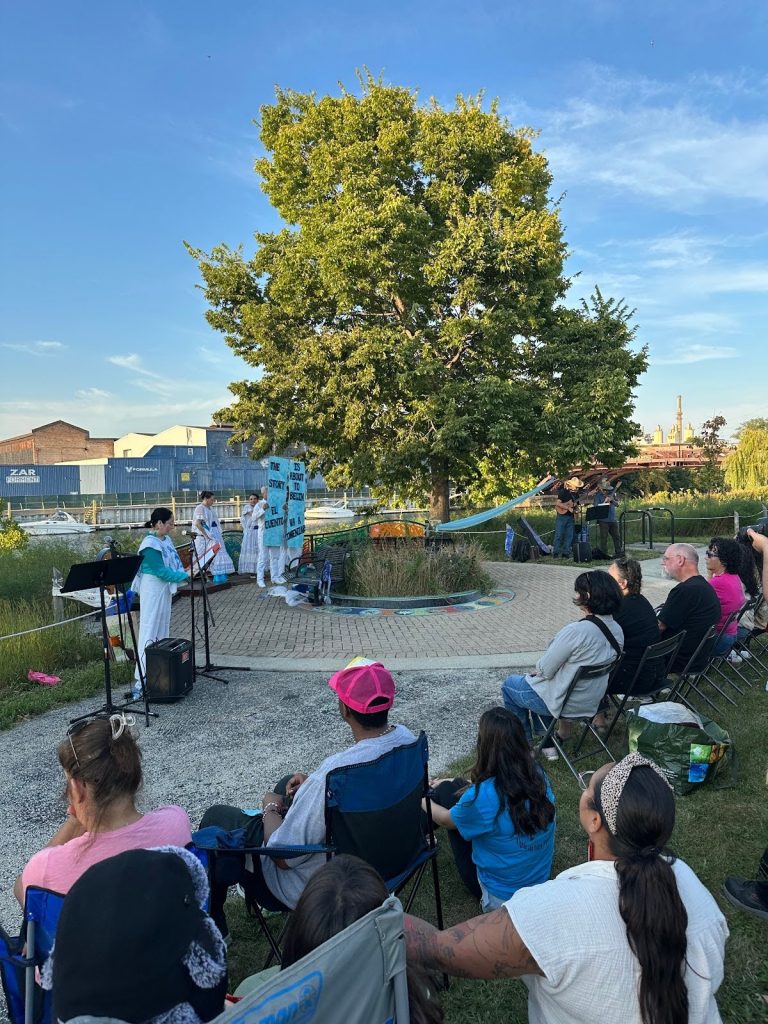
People for Environmental Restoration & Riverfront Organization (PERRO) holding a community event at the Canal Origins park restoration project in partnership with the Chicago Park District.
In Chicago, residents are helping design the future of Canal Origins Park from the ground up. More than 100 community members joined boat tours, walking tours, and design conversations to share their vision for the space, all led by our partners at PERRO. Students at the Academy for Global Citizenship (AGC) are learning in brand new outdoor classrooms, including Geodesic domes and Community gardens. Stay tuned to see exciting updates from Centro San Bonifacio and Southeast Environmental Task Force!
Los Angeles
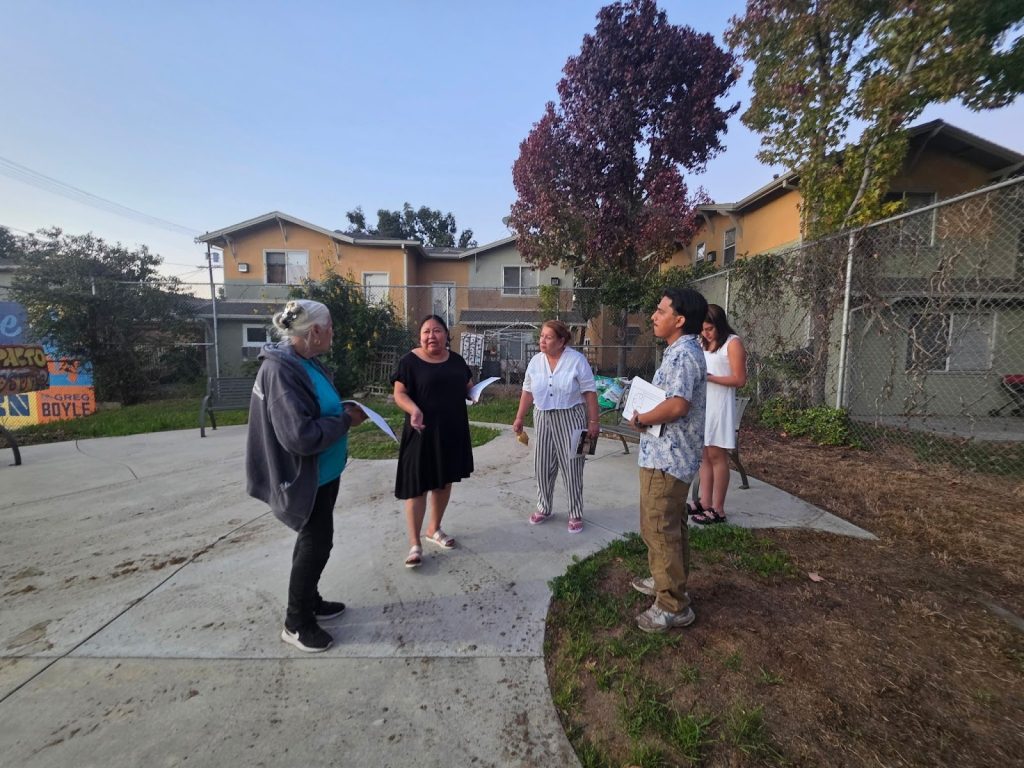
Community members collaborating and sharing their vision for Aliso Pico Recreation Center with Proyecto Pastoral.
In Los Angeles, a community garden opened in Pico Union and became a gathering place almost immediately thanks to our friends at Cultiva LA. Over 1,200 people joined events there in just a few months. Youth with the San Gabriel Valley Conservation Corps planted 201 trees in Pico Rivera and were recognized by the city for their work. Our partners at LA Compost diverted over 611,000 pounds of organic waste from landfills, turning it into soil that feeds more gardens and more community. We are rooting for our amigues at Proyecto Pastoral as they continue to dream and plan their vision for Aliso Pico Recreation Center!
Albuquerque
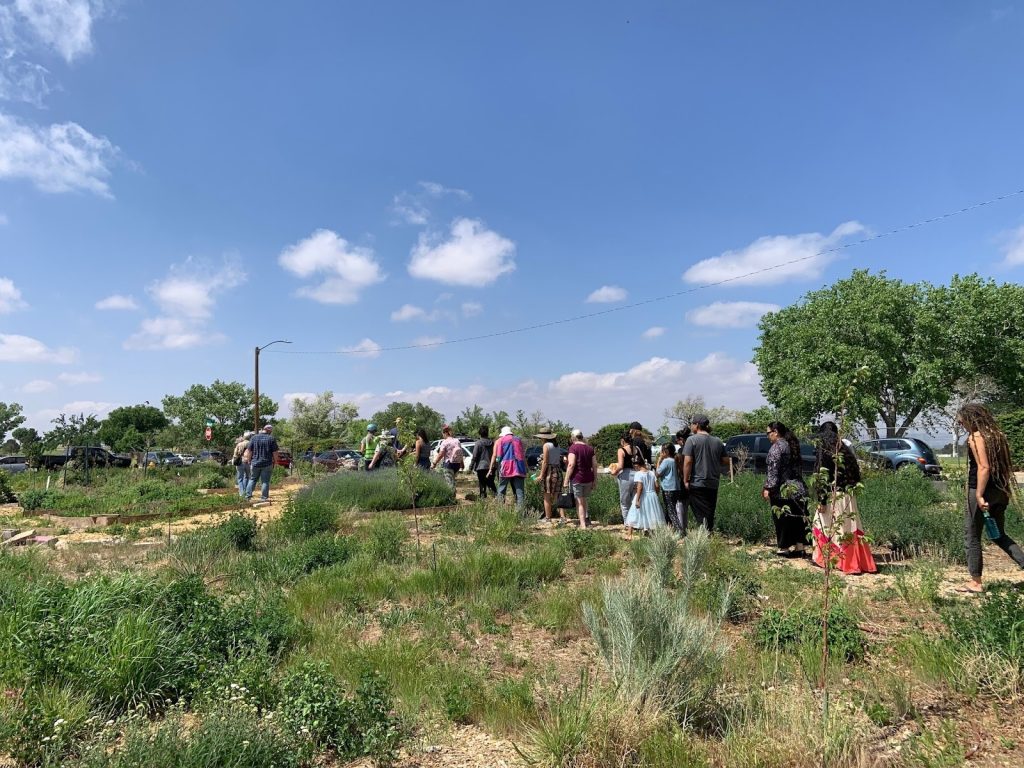
A group gathered at the SouthWest Organizing Project community garden space.
In Albuquerque, the Southwest Organizing Project and the Semilla Project distributed nearly 12,000 pounds of fresh food, grew over 2,000 plant starts, and welcomed thousands of neighbors to Loma Linda Community Farm. Eighteen BIPOC youth graduated also from a pre-apprenticeship in agriculture and urban forestry, earning certifications in CPR, Wilderness First Aid, and wildfire mitigation. And CESOSS brought hundreds of K-5 students into hands-on learning about acequias, soil, and water, the same systems their ancestors built and maintained for generations. Yes! Housing continued to build the infrastructure for a new orchard.
This is what our people have always known
As Amanda Pantoja, our Urban Greening Initiative Coordinator, put it: "Our neighborhoods have been caring for the Earth for generations, and this stewardship continues every day in our Latino households and communities."
This Earth Month, we're proud to celebrate that. These are not new ideas, but concepts and practices our comunidades have been practicing all along.
Want to continue supporting our work across the country and make a real impact? Make a donation today HERE.